
Primer helps the finish coat bond to the surface and gives your paint a more even base. It is especially useful when a wall, trim board or exterior surface needs more than a simple maintenance coat.
What Does Primer Do?
- Helps paint adhere to a properly prepared surface.
- Seals porous materials such as new drywall and bare wood.
- Blocks certain stains when the appropriate stain-blocking product is used.
- Creates a more consistent base beneath a new color.
When Is Primer Necessary?

New drywall, bare wood, repaired areas, stubborn stains and difficult existing finishes often need primer. A major color change may also benefit from a tinted primer. Not every previously painted surface needs a complete primer coat; the existing coating, surface condition and product instructions determine the preparation.
Primer in the San Antonio Climate
Strong sunlight, heat and periods of moisture make a sound coating system important. Primer supports that system, but it cannot correct an active leak, loose paint or a dirty surface. Those issues need attention before painting begins.
Choosing the Right Primer
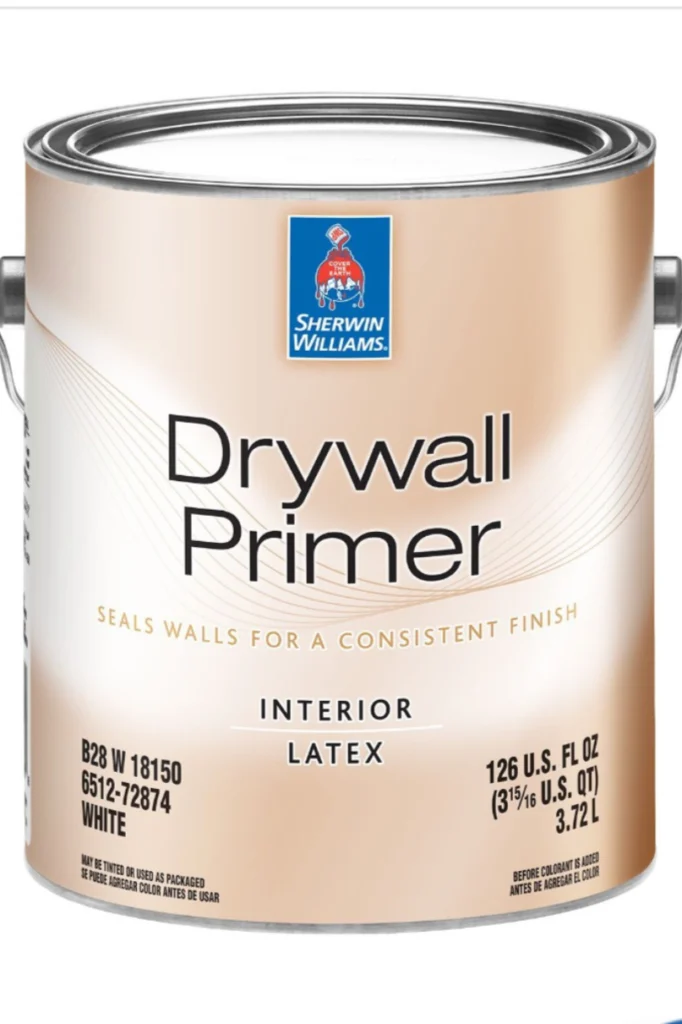
Latex, oil-based and bonding primers serve different purposes. The choice depends on the material, the existing finish, any staining and the compatible topcoat. Follow the specific product's drying and recoating instructions.
Preparation Comes First
Cleaning, scraping loose material, sanding where needed and repairing defects give the primer a sound surface. Lava Painting can assess the existing finish and explain which areas need priming as part of your interior or exterior estimate.
Explore this service · View the pricing guide · Request a free estimate